A high-level team of African election observers has arrived in Uganda ahead of the January 15, 2026, General Elections, marking a significant step in supporting transparency and credibility in the country’s voting process.
The joint mission from the African Union (AU), the Common Market for Eastern and Southern Africa (COMESA), and the Intergovernmental Authority on Development (IGAD) is conducting an on-ground assessment at the invitation of the Ugandan government and the Electoral Commission.
“The Mission is at the invitation of the Government of Uganda and the Electoral Commission,” the statement from the mission said.
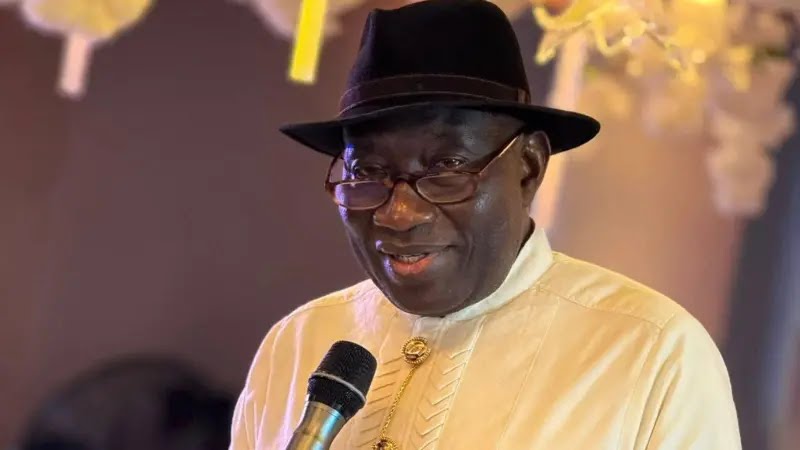
Leading the observation team is former Nigerian President Goodluck Jonathan, who is joined by Ambassador Shemsudin Ahmed Roble of the COMESA Committee of Elders and Commander Abebe Muluneh Beyene from IGAD.
According to the mission, the leadership combines extensive experience drawn from continental and regional institutions.
The mission includes 84 short-term observers with diverse professional backgrounds, including diplomats accredited to the AU, election management officials, civil society representatives, human rights experts, and specialists in media, gender, and youth engagement.
“The observers are drawn from a wide range of professional backgrounds to support the electoral process,” the statement added.
Observers hail from several African countries, including Algeria, Botswana, Burundi, Cameroon, the Central African Republic, Chad, Côte d’Ivoire, Djibouti, Eswatini, Ethiopia, The Gambia, Ghana, Kenya, Lesotho, Mauritius, Nigeria, Rwanda, the Sahrawi Arab Democratic Republic, Seychelles, Sierra Leone, Somalia, South Africa, South Sudan, Sudan, Tanzania, Zambia, and Zimbabwe.
Throughout the elections, the mission will monitor key activities such as the opening of polling stations, voting procedures, and the closing and counting of ballots.
“The Mission will observe all key election-day procedures,” the statement said. Observers will follow Uganda’s legal framework as well as continental and international standards, including the OAU/AU Declaration on the Principles Governing Democratic Elections, the African Charter on Democracy, Elections and Governance, and the International Declaration of Principles for International Election Observation. “Our assessment will rely on these instruments,” the statement noted.
Beyond election-day observation, the mission plans to engage with government authorities, the Electoral Commission, political parties, media organisations, civil society groups, international representatives, and other observation teams to gather comprehensive insights into the electoral process.
A preliminary statement on the mission’s findings is expected on January 17, 2026, in Kampala, followed by a full and detailed report to be released within one month after the official election results are declared.